
The Flower Parade Netherlands, officially called Bloemencorso Bollenstreek, is one of the most famous spring events in the Netherlands. Each year decorated floats travel through the Dutch bulb region between Noordwijk and Haarlem.
The parade began shortly after the Second World War. At that time many communities wanted to rebuild social life and celebrate peace. Local residents in the Bollenstreek therefore organized small spring celebrations.
Over time these celebrations grew into a flower parade. Today the Bloemencorso attracts around one million visitors each year. In addition, the event now holds official recognition as Dutch intangible cultural heritage.
This article explains how the parade started, how it expanded across the Bollenstreek and why it remains an important cultural tradition.
Quick Facts: Flower Parade History
First parade: 1947
Origin town: Hillegom
First float builder: Willem Warmenhoven
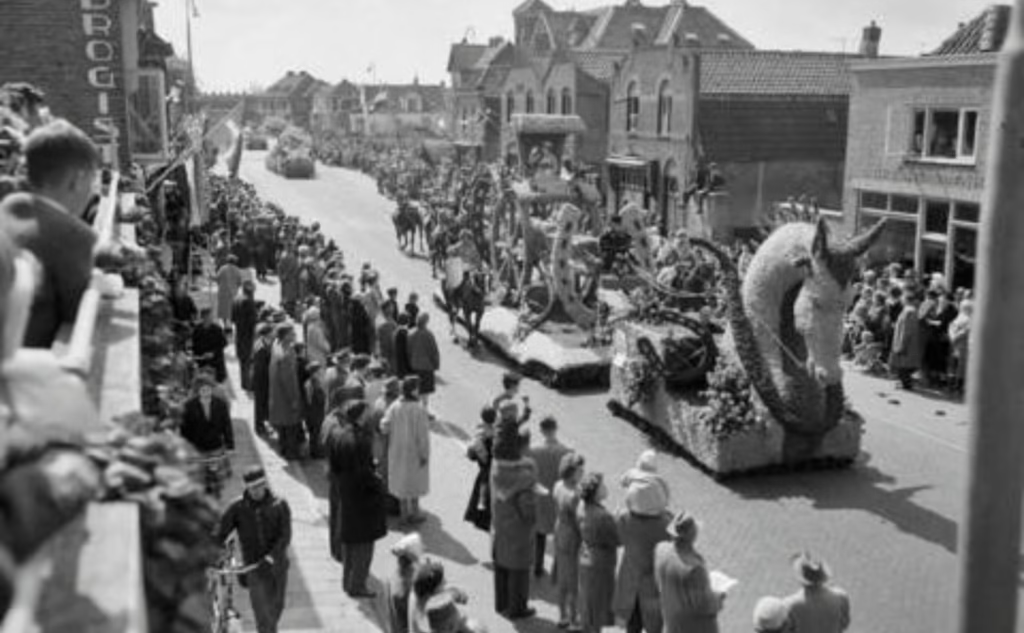
First float design: Hyacinth whale
Region: Bollenstreek, Netherlands
Current route: Noordwijk to Haarlem
Route length: 42 km
Annual visitors: about one million
Heritage recognition: Dutch intangible cultural heritage
Main flowers used: hyacinths, tulips and daffodils

Origins of the Flower Parade
The history of the Flower Parade Netherlands begins in the years after the Second World War. During this period, many Dutch communities worked to rebuild social traditions and local celebrations.
In the Bollenstreek, flower growers and residents began organizing small spring festivities. At these early events, people decorated bicycles, handcarts, and simple vehicles with colorful flowers. These modest parades celebrated the arrival of spring and the region’s strong connection to flower cultivation.
Because the Bollenstreek was already famous for its bulb industry, flowers naturally became the central element of these celebrations. Growers had access to large quantities of hyacinths and other spring flowers. As a result, decorated vehicles quickly became more elaborate each year.
Gradually, the idea of creating a larger parade began to develop. What started as small local celebrations slowly evolved into a coordinated event that involved multiple villages across the bulb region.
Soon neighboring towns also became interested in the concept. As participation grew, the parade expanded beyond individual villages. This development eventually led to the creation of the Bloemencorso Bollenstreek, one of the most famous flower parades in the Netherlands.
The First Flower Parade in 1947
The Bloemencorso Bollenstreek officially began in 1947 in the village of Hillegom. This event marked the start of what would later become one of the most famous spring festivals in the Netherlands.
A local flower grower named Willem Warmenhoven played a key role in this first parade. Warmenhoven, an amaryllis grower from Hillegom, created a large float shaped like a whale. He decorated the structure with thousands of hyacinths, flowers that were widely cultivated in the Bollenstreek.
The unusual float quickly attracted attention from residents and visitors. People gathered along the streets to watch the colorful creation move through the village. Because the idea proved so successful, other flower growers became interested in participating.
As a result, the parade returned the following year with more floats and more participants. Step by step, this local celebration grew into the Bloemencorso Bollenstreek tradition that continues today.
Expansion Across the Bollenstreek
After the first parade in 1947, nearby towns quickly became interested in the event. Villages across the bulb region began joining the growing celebration. For example, Lisse, Sassenheim, and Voorhout soon started participating in the Bloemencorso.
Each town contributed its own floats, music groups, and local festivities. As a result, the Bloemencorso Bollenstreek expanded year after year. What began as a small village parade gradually turned into a regional celebration of flowers and spring.
Over time, organizers connected several towns into a single continuous parade route. This allowed spectators across the region to experience the event as the decorated floats traveled from village to village.
Today the Flower Parade Netherlands covers a route of about 42 kilometers through the Bollenstreek. The parade now starts in the seaside town of Noordwijk and ends in the historic city of Haarlem.
Because the route passes through many villages, residents throughout the bulb region take part in the celebration. This strong local involvement remains one of the defining traditions of the Bloemencorso Bollenstreek.
The Role of Flower Growers
Flower growers remain central to the Flower Parade. The Bollenstreek is one of the most important bulb-growing regions in the world. Growers here produce large quantities of tulips, hyacinths and daffodils.
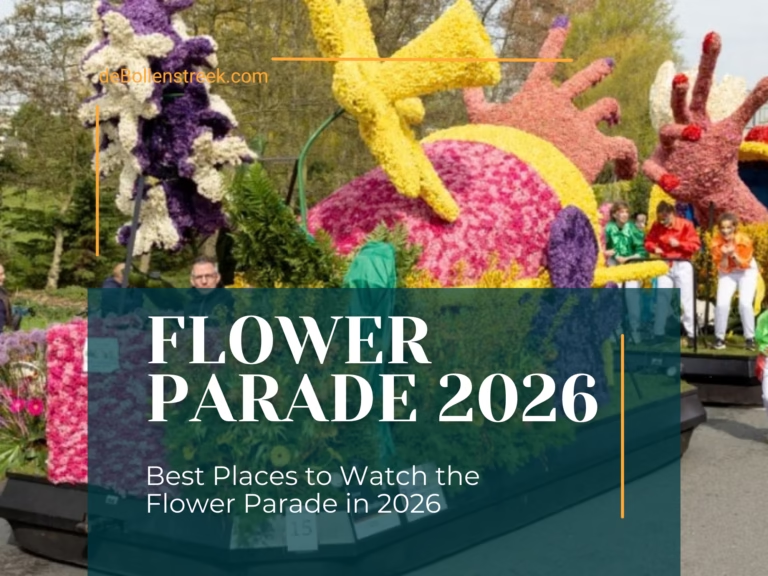
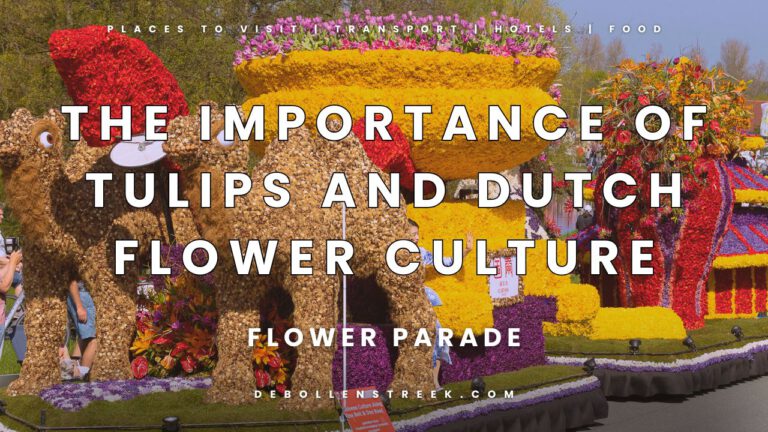
The parade offers growers an opportunity to showcase these flowers. Float designers use thousands of bulbs to create colorful displays.
Hyacinths often form the base of the floats because they stay fresh longer. Meanwhile tulips and daffodils add additional colors and patterns.
Through the parade, the bulb industry also promotes the region as an international spring destination.
How Flower Parade Floats Are Built
Building the floats is one of the most impressive parts of the Bloemencorso Bollenstreek tradition. The construction process begins several days before the Flower Parade takes place.
First, builders create the basic structure of the float. They usually use a metal or wooden frame to form the shape of the design. This framework supports the large decorative sculptures that appear during the parade.
Next, designers prepare the floral patterns that will cover the float. However, most flowers are attached during the final days before the event. Volunteers carefully place thousands of hyacinths and other spring flowers onto the structure.
This timing is important. By decorating the floats shortly before the parade, organizers ensure that the flowers remain fresh and colorful throughout the event.
Every year, hundreds of volunteers help decorate the floats. Many local residents return annually to take part in this process. As a result, float construction has become a central part of the Bloemencorso Bollenstreek history and a proud tradition for the communities of the bulb region.
Growth Into an International Event
During the second half of the twentieth century, the Bloemencorso Bollenstreek continued to grow. Organizers gradually expanded the parade route, and more floats joined the procession each year. As participation increased, the event attracted attention far beyond the local villages of the bulb region.
At the same time, international tourism to the Netherlands began to rise. Many visitors traveled to the Bollenstreek to see the famous tulip fields and the spring gardens of Keukenhof.
Because the Flower Parade takes place during the peak tulip season, many travelers combine both experiences. Visitors can explore the tulip fields during the day and watch the decorated floats pass through the villages later.
As a result, the Flower Parade Netherlands developed into one of the most important spring festivals in the country. Today the Bloemencorso Bollenstreek attracts around one million spectators each year, making it one of the largest flower parades in Europe.
Recognition as Cultural Heritage
In recent years, the Bloemencorso Bollenstreek has received official recognition as part of Dutch intangible cultural heritage. This recognition highlights the historical and cultural importance of the Flower Parade Netherlands.
First, it acknowledges the craftsmanship involved in designing and building the parade floats. Each float requires careful planning, artistic design, and thousands of carefully placed flowers.
Second, the recognition honors the large number of volunteers who help organize the event every year. Hundreds of residents from across the Bollenstreek contribute their time to build floats, decorate vehicles, and support the parade.
Finally, this status reflects the deep cultural connection between the parade and the bulb-growing region. The Bloemencorso tradition represents more than a festival. It celebrates the history of flower cultivation and the strong community spirit of the Bollenstreek.
For many residents, the Bloemencorso remains a symbol of local pride, cooperation, and regional identity.
Interesting Facts About the Flower Parade
Interesting Facts About the Flower Parade
Several facts highlight the impressive scale and tradition of the Bloemencorso Bollenstreek. Over the decades, the event has grown from a small village parade into one of the largest spring festivals in the Netherlands.
Here are a few key facts about the Flower Parade Netherlands.
Key Bloemencorso Facts
- The 2026 Bloemencorso Bollenstreek will be the 79th edition of the parade.
- The parade route covers approximately 42 kilometers through the Bollenstreek.
- Floats are decorated with thousands of spring flowers, especially hyacinths.
- Around one million spectators visit the parade every year.
- After the parade ends, the floats remain on display in Haarlem on Sunday during the official flower parade exhibition.
These facts show how the Bloemencorso tradition has developed into a major cultural event. Today the parade combines local craftsmanship, community participation, and international tourism.
Frequently Asked Questions
The Flower Parade started in 1947 in the village of Hillegom.
Amaryllis grower Willem Warmenhoven built the first large flower float.
The Bollenstreek is one of the main bulb-growing regions in the Netherlands. The parade celebrates this flower culture.
Around one million spectators attend the Bloemencorso Bollenstreek each year.
Continue Planning Your Visit
If you plan to visit the Bollenstreek during tulip season, these guides may help:
Flower Parade Netherlands 2026 – Complete Guide
Best Places to Watch the Flower Parade
Keukenhof 2026 Visitor Guide
Tulip Bloom Forecast Netherlands
These articles will help you plan your visit to the Dutch bulb region.